Friday, September 30, 2011

10/02-Stress Puts You At Risk For Heart Disease

STRESS AND YOUR HEART: HOW STRESS CAUSES HEART DISEASE AND
SIMPLE STRATEGIES FOR PREVENTION

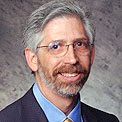
Dr Roger Blumenthal -
Johns Hopkins University School of Medicine
Dr. Roger S. Blumenthal is professor of medicine in the division of
cardiology at the Johns Hopkins University School of Medicine. Dr.
Blumenthal was the principal developer of the Johns Hopkins Ciccarone
Center for the Prevention of Heart Disease, and he is the director of
preventive cardiology at The Johns Hopkins Hospital.

He is a member of the official national spokesperson panel for the
American Heart Association (AHA) and a member of AHA’s committee on
Exercise, Cardiac Rehabilitation, and Prevention. Dr. Blumenthal is on
the medical advisory board of the Sister-to-Sister Foundation, which
is dedicated to promoting cardiovascular health in women. He is the
chairperson of the American College of Cardiology Committee on
Prevention of Cardiovascular Disease.

Dr. Blumenthal is on the editorial boards of Today in Cardiology,
Journal of Cardiovascular Nursing,the Journal of Women's Health,
Cardiology Review and is senior editor of Preventive Cardiology.

His principal clinical and research interests are the optimal
management of ischemic heart disease, the effects of hormone replacement
therapy on coronary risk, noninvasive detection of coronary
atherosclerosis, and the development of new strategies to optimize the
management of cardiovascular disease risk factors. He specializes in
treating adults who are at high risk for future cardiovascular events.

Dr. Blumenthal obtained his bachelor’s degree from the Johns Hopkins
University and received his medical degree from Cornell University
Medical College, where he was awarded the Weiss Prize for Excellence in
Clinical Medicine. He completed his internal medicine residency and
cardiology fellowship training at The Johns Hopkins Hospital and joined
the Johns Hopkins cardiology faculty in 1992.

Friday, September 23, 2011

9/25-Dr Carol Scott hosts Stress Relief Radio

Carol J. Scott, MD, MSEd, FACEP, is a practicing Board Certified Emergency Physician and health educator trained at Johns Hopkins University. She is a stress management strategist and expert on the connections between stress and health. She is an award-winning speaker and One-on-One StressRelief Coach. Her medical experience and background combined with her knowledge skills and passion in the subject of stress management enables her to formulate effective, practical stressrelief solutions for teams, individuals and audiences of all sizes. www.StressReliefRadio.com

Friday, September 16, 2011

9/18-Positive Parenting Solution

Amy McCready discusses her book, If I Have To Tell You One More Time. Parenting expert Amy McCready has been creating and delivering training programs for over 20 years in Fortune 500 companies and community organizations.
Amy founded Positive Parenting Solutions, Inc. in 2004 and developed the popular and successful Breakthrough Course that has changed the lives of thousands of parents through in-person seminars, speeches and online parenting training webinars.
Due to demand from parents around the country and abroad, Positive Parenting Solutions Online was developed in 2008 to give parents everywhere the skills, knowledge and tools to correct their children’s misbehaviors permanently without nagging, reminding or yelling. She speaks to them “one-on-one” through the most advanced and thorough Web 2.0 parenting course available today.
Amy McCready is frequently asked to provide expert parenting advice for print and online parenting articles. She is a sought after keynote speaker, writer, parenting coach, spokesperson, trainer and most importantly – Mom!
Amy received her Bachelor of Science Degree in Finance from Penn State University and is certified as a Positive Discipline Parent Educator.

Friday, September 9, 2011

9/11-Stress, Sleep and Health

According to Dr. Lawrence Epstein, recent President of the American Academy of Sleep Medicine and author of The Harvard Medical School Guide to a Good Night's Sleep, sleeping is as important to health and well being as diet and exercise. However, as we are constantly bombarded with commercials for sleep medications, it is clear that America is having a difficult time getting a good night’s sleep.
One of the nation’s premiere sleep experts, Dr. Epstein arms readers with his proven, six-step plan to improve sleep. He presents tips for dealing with common issues such as insomnia, disrupted sleep, daytime exhaustion, restlessness, sleepwalking, and the many other chronic sleep conditions suffered by more than 70 million Americans.
Dr. Epstein thoroughly explains what happens during sleep as well as how to determine the amount of sleep we need. He then presents his plan which is based on the following:
· Recognizing the importance of a good night’s sleep
· Adopting a healthy lifestyle
· Maintaining good sleep habits
· Creating the optimal sleep environment
· Watching out for sleep saboteurs
· Seeking help for persistent sleep problems
In addition, The Harvard Medical School Guide to a Good Night's Sleep offers readers advice on how to silence snoring, help their children go to sleep and stay asleep, handle jet lag, cope with shift work, and stay awake at the wheel. Those who have trouble sleeping will find that they don’t necessarily need to take a pill to fall and stay asleep.
According to a recent review in Library Journal, “Epstein has collaborated with freelance health writer Mardon to produce an accessible and highly readable volume on sleep…At a time when sleep deprivation seems so prevalent in our society, this book is a welcome addition to the literature. It belongs in all consumer health collections, especially in public libraries.”
The Harvard Medical School Guide to a Good Night's Sleep is a premium resource for people who suffer from sleep disorders and their families, the doctors and other health care professionals who treat them, and anyone who wants to get a good night’s rest.
Lawrence Epstein, M.D., is the regional medical director for the Harvard-affiliated Sleep HealthCenters and an instructor at Harvard Medical School and was recently president of the American Academy of Sleep Medicine. He lives in Boston. Steven Mardon is a professional writer who specializes in health topics.

Friday, September 2, 2011

9/4-Post Infidelity Stress Disorder

Dr. Dennis Ortman, author of "Transcending Post-Infidelity Stress Disorder: The Six Stages of Healing", is also a licensed psychologist in private practice, welcomes those suffering emotional or mental pain. He works with adolescents, adults, and couples to find relief from their suffering, happiness, and a renewed life.
Dr. Ortman received his doctorate in clinical psychology from the University of Detroit-Mercy and has a graduate degree in theology. He has extensive experience working with those who are addicted and with those struggling with issues on the border between psychology and spirituality. He has published two books on treating those with emotional and substance abuse problems and a third book on recovery from the trauma of infidelity through the power of forgiveness.
Dr. Ortman provides a full range of psychological services in a safe, confidential, and comfortable office setting in Sterling Heights, Michigan. He accepts most major insurances. Consultation with and referral to psychiatrists for a medical assessment are also available in the same office building.
His goal in treatment, through mutual exploration, is to relieve suffering and restore peace of mind by helping the individual understand and accept themselves, with all of their conflicting thoughts, feelings, and desires. On the basis of a secure self-understanding, the person is better able to make important decisions, realize their potential, and have more satisfying relationships.
In the process of learning about themselves and accepting personal responsibility, healing and growth occur. The final result of therapy is the ability to live whole-heartedly in the present moment, putting one’s whole self into their life, work, and relationships. Dr. Ortman tells his patients that the purpose of therapy is not to create an improved version of themselves, but to see themselves differently and relax with who they are. Therapy involves recognizing and letting go of those obstacles to whole-hearted self-acceptance.

Friday, August 26, 2011

8/28-Positive Parenting Solution

REDUCE THE STRESS OF BACK TO SCHOOL STRESS-----POSITIVE
PARENTING SOLUTIONS WITH AMY MCCREADY

Amy McCready - Positive Parenting Solutions

Parenting expert Amy McCready has been creating and delivering training programs for over 20 years in Fortune 500 companies and community organizations.

Amy founded Positive Parenting Solutions, Inc. in 2004 and developed the popular and successful Breakthrough Course that has changed the lives of thousands of parents through in-person seminars, speeches and online parenting training webinars.

Due to demand from parents around the country and abroad, Positive Parenting Solutions Online was developed in 2008 to give parents everywhere the skills, knowledge and tools to correct their children’s misbehaviors permanently without nagging, reminding or yelling. She speaks to them “one-on-one” through the most advanced and thorough Web 2.0 parenting course available today.

Amy McCready is frequently asked to provide expert parenting advice for print and online parenting articles. She is a sought after keynote speaker, writer, parenting coach, spokesperson, trainer and most importantly – Mom!

Amy received her Bachelor of Science Degree in Finance from Penn State University and is certified as a Positive Discipline Parent Educator.


Friday, August 19, 2011

8/21-Stress Puts You At Risk For Heart Disease

STRESS AND YOUR HEART: HOW STRESS CAUSES HEART DISEASE AND
SIMPLE STRATEGIES FOR PREVENTION

Dr Roger Blumenthal -
Johns Hopkins University School of Medicine
Dr. Roger S. Blumenthal is professor of medicine in the division of
cardiology at the Johns Hopkins University School of Medicine. Dr.
Blumenthal was the principal developer of the Johns Hopkins Ciccarone
Center for the Prevention of Heart Disease, and he is the director of
preventive cardiology at The Johns Hopkins Hospital.

He is a member of the official national spokesperson panel for the
American Heart Association (AHA) and a member of AHA’s committee on
Exercise, Cardiac Rehabilitation, and Prevention. Dr. Blumenthal is on
the medical advisory board of the Sister-to-Sister Foundation, which
is dedicated to promoting cardiovascular health in women. He is the
chairperson of the American College of Cardiology Committee on
Prevention of Cardiovascular Disease.

Dr. Blumenthal is on the editorial boards of Today in Cardiology,
Journal of Cardiovascular Nursing,the Journal of Women's Health,
Cardiology Review and is senior editor of Preventive Cardiology.

His principal clinical and research interests are the optimal
management of ischemic heart disease, the effects of hormone replacement
therapy on coronary risk, noninvasive detection of coronary
atherosclerosis, and the development of new strategies to optimize the
management of cardiovascular disease risk factors. He specializes in
treating adults who are at high risk for future cardiovascular events.

Dr. Blumenthal obtained his bachelor’s degree from the Johns Hopkins
University and received his medical degree from Cornell University
Medical College, where he was awarded the Weiss Prize for Excellence in
Clinical Medicine. He completed his internal medicine residency and
cardiology fellowship training at The Johns Hopkins Hospital and joined
the Johns Hopkins cardiology faculty in 1992.

Friday, August 12, 2011

8/14-Dr. Martin Rossman's Worry Solution

Dr. Martin (Marty)Rossman - The Worry Solution

Do you worry too much? Do you have trouble turning your mind off at the end of a stressful day, or can you even worry yourself sick? Do you sometimes have anxiety or panic attacks, feel like your life is out of control, or stay up at night going over all the things that are creating stress in your life?

The Worry Solution will teach you how to get back in control of your runaway imagination, your mind, and your life.

This groundbreaking book will teach you how to:

  1. Relax your mind and body whenever you decide to
  2. Add the power and wisdom of your emotional/intuitive brain to the rational power of your thinking brain
  3. Separate “good” productive worry from “bad” futile worry
  4. Transform “bad worry” into positive focus and turn “good worry” into life-changing action
  5. Turn unnecessary stress and anxiety into confidence and happiness

Wednesday, August 10, 2011

8/7-Dr Carol Scott talks to Dr. Donna Marie Thompson


Dr. Donna Marie Thompson - Relationship Expert & Author
Donna Marie Thompson, PhD – The Bouncing Back Now RelationshipCoach – is a best-selling author, a Certified Professional Coach, a Certified NLP Practitioner, and a Master Practitioner of the Energy Leadership Index. Donna Marie is listed as one of America’s Premier Experts in relationships and personal development. She is the host of the “Bouncing Back Now” show on the Real Coaching Radio TV network and the “Bounce Back"show on webtalkradio.net. Donna Marie is a featured relationship expert panelist on the new Living Consciously series on Denver cable TV. She has been the special guest on many radio shows and on the Brian Tracy TV Show as seen on ABC, CBS, NBC, and Fox affiliates across the country.

Wednesday, August 3, 2011

7/31-Dr Carol Scott talks to Doris Gallan


Doris Gallan - Baby Boomers Travelling.com


Writing comes fairly naturally to someone who grew up buried in books, magazines and newspapers – anything I could get my eyes on. Some of the readings were classics – Steinbeck, Austen, Dickens, Cervantes – while others hardly rated on that scale – Seventeen Magazine and The Timmins Daily Press.

I grew up in small, isolated towns in Northern Canada where the best escape from six months of winter was found in the pages of novels. Books provided me with proof that there was life ‘out there’ and that I was more suited for it than I had come to believe. The limited opportunities and world views of my town had boxed me in but the writings of others released me.

Reading gave me a good excuse to burrow in a warm bed and ignore the cold stream of air passing through the cracks of our house’s old-fashioned wood-paned windows. At any time of day on weekends, you could find me under as many blankets as I could locate, my feet ensconced in thick socks, reading about warmer lands I would one day visit. Australia, Tahiti, California and Mexico became my weekend destinations while my sisters complained that I never wanted to go ice skating or sledding. I preferred to bake in the sun of a palm-shaded beach, explore the streets of Sidney and Melbourne, surf the beaches of Orange County and eat empañadas and tacos in Mexico City. And all at no cost.

If it hadn’t snowed so much, you could have traced my path between our house and the public library. The older children’s section was quickly read through and, at the age of twelve, I asked the librarian for special permission to borrow from the “Adult Section”.

I had already exposed myself to books for far more mature audiences sneak-reading volumes brought home by my mother and older sisters. Our small bookcase – it’s cheap aluminum frame sagging under the weight of novels, dictionaries and encyclopedia – took pride of place next to the front door in the living room.

How much of writing and traveling is pre-programmed in our DNA is still up for discussion. Is it instinctual or maybe cultural memory? Books created in me a love of the written word and of wandering the world. Or, perhaps they simply awakened an already-existing passion and presented me with an outlet for my own loves.

My first writings were suicide-inducing, teen-angst poetry which, for some inexplicable reason, I kept for over 35 years and only recently typed into my computer. I also began writing short stories as an outlet for dealing with the ups and downs of life and discovered that I could make people laugh and cry. And so, at 15, I decided I was going to be a writer.

There is nothing better than to be paid for doing something you love and so writing went from a part-time pursuit to a career when I became a news reporter. When I couldn’t get steady work, I would write freelance. I finally left the low-pay-no-benefits-lousy-hours world of news and joined the well-paying-great-benefits-super-hours of the corporate world. Jobs included employee communications specialist, public policy analyst and economic development director: an almost-unnoticeable transition from full-time writing to very little occurred over a couple of decades.

Thirty years of working for others led to burnout. It was now time to work for myself: my husband and I quit our well-paying jobs, sold our house and 99 percent of our worldly possessions. On April 1, 2006 – April Fool’s Day – we began a 26 month ’round-the-world trip. I also returned to my first love: writing.

We traveled to forty countries on six continents – including Antarctica, learned the polite words of some two dozen languages, ate foods we didn’t know existed, used practically every mode of transportation still in use and learned a lot about ourselves and the world around us. With this much experience to write about I had no excuse not to start putting some of this down on paper (okay, on computer screen).

I started off slowly by creating a blog (www.travelpost.com/travel/dj-rtw)

that served many purposes: kept people informed about our whereabouts, provided me with a regular outlet for memories and photos, and – most importantly – disciplined me into writing every week.

After the trip, we settled in Mexico in the summer of 2008 where I began writing more regularly. I’m writing essays, short stories and a book about our world trip. This, while getting down to learning the craft of writing and improving my art.

In April of 2009 we moved to Costa Rica with a quick trip to Guatemala for a week before settling in our new home where we stayed for six months. We then traveled across Europe for three months (Portugal, Spain, France & Gibraltar) on our way to China. We spent a week in Thailand as well for some R&R at a beach and spent a few days in Bangkok before flying to Hong Kong. We moved to Wenzhou — on the east coast of China, south of Shanghai — where my husband teaches English as a foreign language while I write my book.

Returned to North America in the fall of 2010 after completion of The Boomers’ Guide to Going Abroad to Travel * Live * Give * Learn and now touring the United States selling my book, speaking to boomers, travel and tourism industry players. Also providing coaching to individuals interested in traveling more and consulting services to organizations seeking to improve their offerings to baby boomers traveling.


Wednesday, July 27, 2011

7/24-Dr Scott talks with Dr Lisa Rubinstein


Dr Lisa Rubinstein - Mindfulness Meditation

Lisa S. Rubinstein, M.D., is a Board Certified psychiatrist and psychoanalyst with 30 years experience in private practice. She was trained at Harvard Medical School, completed a residency in Psychiatry at the Beth Israel Hospital in Boston, MA, in 1981, and finished training at the Boston Psychoanalytic Society and Institute in 1994.

In addition, she has been a Clinical Instructor at Harvard Medical School, and an Assistant Professor at both Tufts Medical School and University of Massachusetts Medical School. From 1986 until 1991, she started and directed a two year Psychodynamic Psychotherapy Fellowship at University of Massachusetts Medical School in Worcester, MA. She is a Distinguished Fellow in the American Psychiatric Association.

Her meditation practice began in 1998, and she has sat numerous silent retreats. She took the Mindfulness-Based Stress Reduction (MBSR) 7 day Professional Training with Jon Kabat-Zinn and Saki Santorelli at Omega Institute in Rhinebeck, NY, in 2001 and again in 2003. In 2007, she completed the 2 1/2 year Dedicated Practitioners Program at Spirit Rock Meditation Center in Woodacre, CA.

Subsequently, she has been exploring ways of integrating mindfulness practice with her therapeutic work, including starting a Psychoanalytic and Meditation Practitioners’ Group. She completed the 9 Day Teacher Training Practicum in MBSR at the Center for Mindfulness (CFM) in Worcester, MA, in 2009, and has taught MBSR-

Wednesday, July 20, 2011

7/17-Encore Broadcast Dr Carol talks about Stress in College & the most Stressful Jobs

The Most Stressful Colleges

While it is imposs
ible to quantify the stress an individual feels, there’s a lot of data on stressful environments. To determine the most stressful American colleges, the Daily Beast put their lens to the top universitie
s in the U.S. News and World Report rankings, using methodology informed by Anderson. Five criteria were taken into account:

• The cost: Financial pressure is a huge stress-inducer. Tuition plus room and board, weighted at 35 percent. With 2009-2010 data from the National Center on Education Statistics.


• Competitiveness: How academically rigorous is the school? Weighted at 35 percent, with 2010 data from US News & World Report.


• Acceptance rate: More competitive schools generally produce a more competitive student body. Weighted at 10 percent, with 2010 data from US News & World Report.


• Engineering: Is the school known for its particularly rigorous graduate engineering program? Weighted at 10 percent, with 2010 data from US News & World Report.


• Crime on campus: Adapted from The Daily Beast’s analysis of college crime, weighted at 10 percent and ranked relative to this particular group of colleges. With data from the US Department of Education..


Pressure Drop: Workplace stress can damage productivity, mental well-being and physical health. But is an anxiety-free office worth a potential loss in career satisfaction and job security?

Job-related stress has long been the nemesis of workers around the globe. Stress has been linked in studies to everything from low productivity to increased illness to obesity. Fallout from the recession has only compounded the problem. Many work harder for less money, and wonder if they'll still have a job at day's end. Combine this with new technology that makes it easier than ever to work around the clock (and even on vacation), and it's no wonder that on-the-job stress – and finding ways to manage it – has become an ever more important issue.

While it's possible to find countless books, teas, exercise techniques and more offering you a way to relax, this focus on peace at the office raises a question: Is there such a thing as too little workplace stress?


Tuesday, July 12, 2011

7/10-Dr Carol talks with Dr Marianne Brandon

Dr Marianne Brandon - Wellminds Wellbodies, LLC
Dr. Marianne Brandon is a Clinical Psychologist, licensed in Maryland, and a Diplomat in Sex Therapy through AASECT. She is the co-author with Andrew Goldstein, M.D. of,Reclaiming Desire: 4 Keys to Finding Your Lost Libido,the first book to not just talk about the existence of low desire, not just offer "quick fixes" like the long-overused "schedule time for sex" solution, but to really explain to women how complex their libido is (being affected by their intellectual, emotional, spiritual, and physical selves). For the vast majority (of women)...a decline in sex drive takes a tremendous physical and emotional toll. These women speak of feeling deficient, ashamed, sad, angry, anxious, or unfulfilled.

Dr. Brandon is also a graduate of a post-doctoral fellowship in eating and weight disorders from the Sheppard and Enoch Pratt Hospital in Baltimore. She is currently in private practice in the Baltimore / Annapolis area. Dr. Brandon is a member of the Maryland Psychological Association; the National Register of Health Service Providers in Psychology; The American Association of Sex Educators, Counselors, and Therapists; The Society for Sex Therapy and Research; The International society for the Study of Womens Sexual Health; and The Society for the Scientific Study of Sexuality. Dr Brandon is also licensed to practice in Washington D.C., New York, Arizona, and Missouri.

The following are among the issues in which Dr. Brandon has special interest and training: depression, low sexual desire, anxiety, stress, relationships, sex therapy, weight disorders, and Eye Movement Desensitization and Reprocessing. She has presented seminars to professionals and in the community on topics relating to personal growth, sex therapy, low libido in women, sexual dysfuncion, and on stress-related disorders such as depression, anxiety, and eating disorders.

Drs. Goldstein and Brandon are co-founders of the Sexual Wellness Center in Annapolis, MD. where they specialize in treating women's sexual problems.

7/3-Stress Sleep and Health

Dr. Larry Epstein - The Harvard Medical School Guide to a Good Night's Sleep

According to Dr. Lawrence Epstein, recent President of the American Academy of Sleep Medicine and author of The Harvard Medical School Guide to a Good Night's Sleep, sleeping is as important to health and well being as diet and exercise. However, as we are constantly bombarded with commercials for sleep medications, it is clear that America is having a difficult time getting a good night’s sleep.


One of the nation’s premiere sleep experts, Dr. Epstein arms readers with his proven, six-step plan to improve sleep. He presents tips for dealing with common issues such as insomnia, disrupted sleep, daytime exhaustion, restlessness, sleepwalking, and the many other chronic sleep conditions suffered by more than 70 million Americans.

Dr. Epstein thoroughly explains what happens during sleep as well as how to determine the amount of sleep we need. He then presents his plan which is based on the following:

  • Recognizing the importance of a good night’s sleep
  • Adopting a healthy lifestyle
  • Maintaining good sleep habits
  • Creating the optimal sleep environment
  • Watching out for sleep saboteurs
  • Seeking help for persistent sleep problems

In addition, The Harvard Medical School Guide to a Good Night's Sleep offers readers advice on how to silence snoring, help their children go to sleep and stay asleep, handle jet lag, cope with shift work, and stay awake at the wheel. Those who have trouble sleeping will find that they don’t necessarily need to take a pill to fall and stay asleep.

According to a recent review in Library Journal, “Epstein has collaborated with freelance health writer Mardon to produce an accessible and highly readable volume on sleep…At a time when sleep deprivation seems so prevalent in our society, this book is a welcome addition to the literature. It belongs in all consumer health collections, especially in public libraries.”

The Harvard Medical School Guide to a Good Night's Sleep is a premium resource for people who suffer from sleep disorders and their families, the doctors and other health care professionals who treat them, and anyone who wants to get a good night’s rest.

Lawrence Epstein, M.D., is the regional medical director for the Harvard-affiliated Sleep HealthCenters and an instructor at Harvard Medical School and was recently president of the American Academy of Sleep Medicine. He lives in Boston. Steven Mardon is a professional writer who specializes in health topics.

Tuesday, June 28, 2011

6/26-Dr Carol talks about Dr Lindenberg's Stress Related Article

City life bad for brain, study says: What's the fix?

Ever wonder why city slickers seem more stressed out than folks who live in the country? A new study suggests the answer may lie deep within our brains.

Previous research showed that people who live in cities have higher rates of anxiety and depression, but this is the first to pinpoint the changes in the brain that underlie the phenomenon.

For the study, published in the journal Nature, scientists from the University of Heidelberg and McGill University used functional magnetic resonance imaging (fMRI) to scan the brains of more than 100 students from various communities, large and small, in Germany. Each student was asked to complete a stressful task - solving tricky math problems as fast as possible while being subjected to criticism.

The results were striking. The brains of the urbanites showed higher levels of activity in the amygdala and the perigenual anterior cingulate cortex (pACC), two regions that previous research linked to mental illness. The bigger the city they lived in, the greater the activity in the amygdala - and the longer the subject had lived in a large city during childhood, the greater the activity in the pACC.

"I was surprised by the magnitude and specificity of the findings," said study author Dr. Andreas Meyer-Lindenberg. The next step, he said, would be to determine what it is about city life that makes it so stressful. Is it the crowding, the noise, the pollution - or something else? He said he hopes the answers might help urban planners design cities more conducive to mental health.

In the meantime, what's the take-away message for city dwellers? Ditch the metropolis and move to the mountains? Fuhgeddaboudit.

"It's not really feasible," Meyer-Lindenberg said jokingly to CBS News. "If everyone lived in the country, the country would be pretty crowded." More than half the world's population already lives in cities, a figure that's expected to grow to nearly 70 percent by 2050.

And while urban living may spark mental illness, it also brings better health care, nutrition and sanitation.

To control stress, Meyer-Lindenberg said, city dwellers might try meditation, which can impact neural circuitry. If that doesn't help, he recommends a weekend getaway, adding, "It doesn't hurt to occasionally get out into the country."